How Auto Body Shops Work With Insurance Adjusters
Auto body shops and insurance adjusters play crucial roles in the vehicle repair process, acting as key intermediaries between car owners and insurers. Their coordination is essential in ensuring that repairs are handled smoothly and efficiently, allowing customers to return to the road with confidence. This collaboration not only affects the cost and quality of repairs but also influences customer satisfaction by streamlining the process from damage assessment to claim closure.
For consumers, understanding the roles of these two entities can help demystify what can otherwise be an overwhelming experience following a vehicle accident. The insurance adjuster evaluates the damage and facilitates the agreement on repair costs, while the auto body shops carry out the physical repairs. Both entities must work in harmony to achieve a repair that meets safety standards and fulfills the policyholder's expectations.
The Role of Insurance Adjusters
Definition and Responsibilities
Insurance adjusters are professionals tasked with evaluating insurance claims to determine the insurer's liability. Their primary responsibility is to inspect damages, assess the extent of coverage, and calculate accurate settlement amounts. Adjusters serve as the middlemen between the policyholder and the insurance company, ensuring that claims are processed fairly and efficiently.
They must maintain a thorough understanding of insurance policies, state laws, and repair estimation principles. This expertise allows them to assess claims with authority, ensuring transparency in decisions related to coverage and payment. In doing so, adjusters help uphold the integrity of the insurance process, establishing trust between the insured party and the insurer.
Differences Between Independent and Staff Adjusters
Independent adjusters are external contractors hired by insurance companies to assess claims on their behalf. These professionals possess the flexibility to manage claims for multiple insurers, which often brings a wider range of experiences and perspectives to their evaluations. Staff adjusters, on the other hand, are employees of the insurance company, dedicated solely to processing claims for their employer.
While independent adjusters may offer a wider variety of insights, staff adjusters tend to have deeper familiarity with their company's policies and procedures. This advantage allows staff adjusters to handle claims with a more streamlined approach, often resulting in faster resolution times. Ultimately, the decision to use independent or staff adjusters depends on the insurance company’s preferences and the complexity of the claim.
Importance of Accurate Damage Assessment
Accurate damage assessment is the foundation of any insurance claim process, serving as a benchmark for determining the appropriate repair strategy and financial liability. This step is crucial because it lays the groundwork for the entire repair process, ensuring that both parties – the insurer and the insured – have aligned expectations regarding the outcome.
An underestimated damage assessment can lead to insufficient repairs, leaving the vehicle unsafe for use. Conversely, an overstated evaluation might result in inflated repair costs, affecting the insurance company's bottom line. For the auto body shops, an accurate assessment provides clarity on the scope of work required, aiding in resource allocation and repair planning.
The Estimation and Negotiation Process
Customer Reporting and Claim Filing
The initial stage of the repair process begins when the customer reports the incident to their insurance company. Filing a claim typically includes providing details about the accident, the extent of damage, and any third parties involved. This information forms the basis for initiating the assessment and repair procedures, allowing the insurer to record and analyze the incident.
During this phase, clear communication with the insurer is imperative. Customers should address any questions they have about their coverage and the claims process to prevent any misunderstanding. According to AutoBody News, an AAA survey showed that nearly half of drivers (49%) admitted to driving 15 mph over the speed limit on freeways during the survey period, highlighting the importance of claims transparency in driving habits and potential incident details.
Arranging an Initial Inspection
Once a claim is filed, the insurance company arranges for an initial inspection to assess the vehicle's damage. The inspection is usually scheduled at a location convenient for the policyholder, which might be at an approved repair facility or the owner's residence. This inspection serves to determine the repair needs and set preliminary estimates.
During this evaluation, the adjuster will carefully document the extent of visible and underlying damage. They use photographic evidence and digital tools to ensure accuracy in their assessment, setting the groundwork for any necessary negotiations over repair costs. This process must be conducted thoroughly to avoid complications or disputes further down the line.
The Adjuster's On-Site Evaluation Process
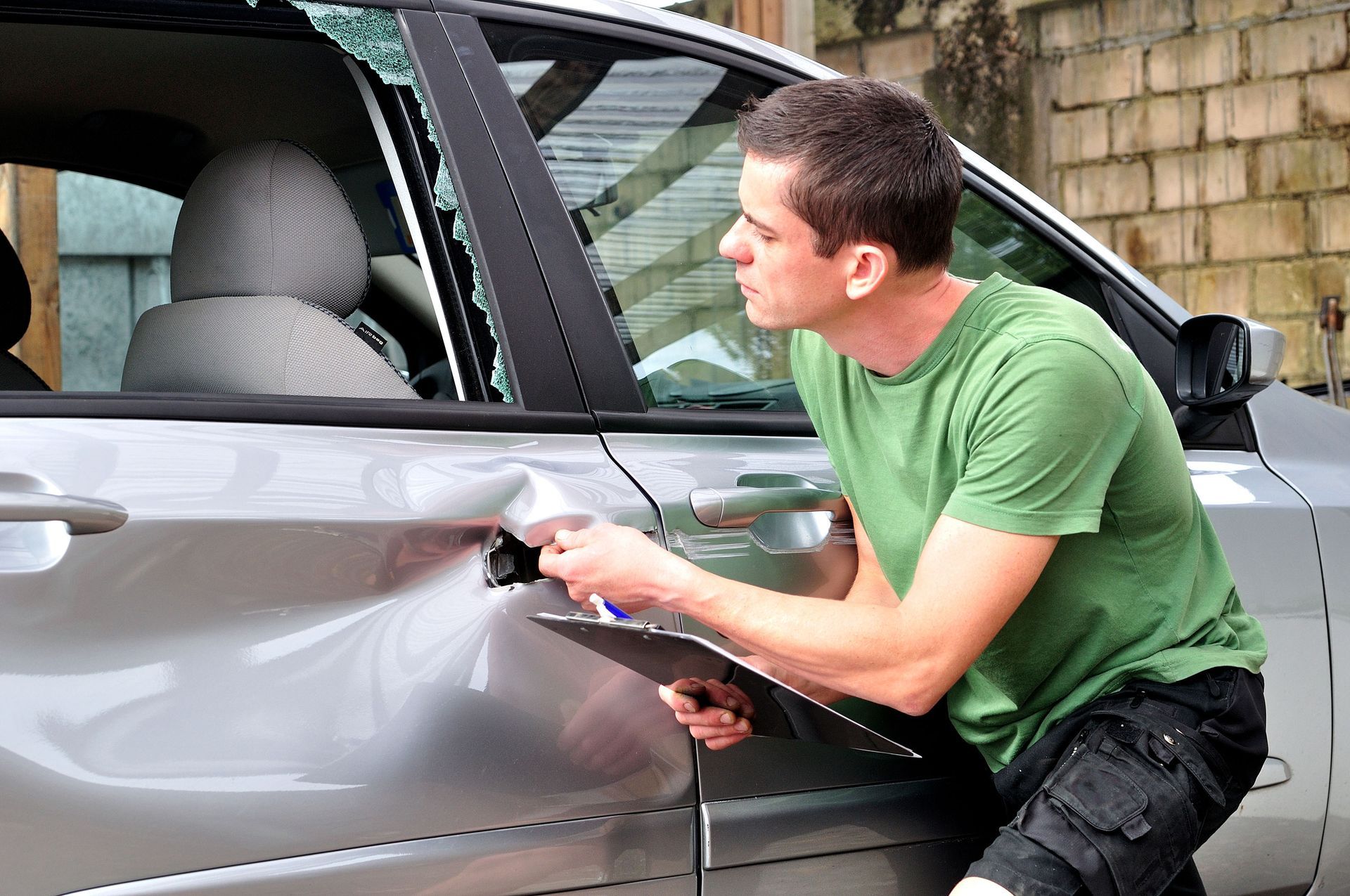
On-site evaluations are crucial for ensuring that adjusters can examine the vehicle firsthand and make informed decisions regarding the damage. The adjuster will scrutinize every aspect of the vehicle affected by the incident, looking for evidence that might require special attention or additional services. This often includes inspecting body panels, checking under the hood, and assessing internal damage.
In the presence of both the auto body shop representative and the policyholder, the adjuster may discuss their initial findings and propose a preliminary plan of action. Transparency in this process helps manage expectations and reduce surprise costs. Such collaboration between these parties can mitigate discrepancies at later stages.
The Initial Contact and Damage Assessment
Preparing Repair Estimates
Preparing repair estimates is a critical component of the negotiation process between insurance adjusters and auto body shops. Estimates serve as a detailed financial forecast of the work required to return a vehicle to its pre-damage condition. Both entities must create estimates that reflect the true scope of work to ensure fair compensation and accountability.
An adjuster’s estimate is typically based on the initial damage assessment and industry-standard repair costs. This evaluation involves consultations with the auto body shops to ensure clarity on the work needed and a review of repair methodologies. An accurate estimate helps establish the foundation for subsequent negotiations and agreement on payment.
Factors Influencing Repair Costs
Several factors can influence the cost of vehicle repairs, each requiring careful consideration during the estimation process. The complexity and extent of damage dictate the time and materials required, directly impacting repair costs. Parts availability and choice between original equipment manufacturer (OEM) and aftermarket parts can also significantly affect pricing.
Labor costs contribute a substantial portion of total repair expenses and vary depending on region, skill level, and job complexity. Technological advancements and specialized equipment can also influence costs, as repairs for modern vehicles often demand highly skilled technicians. All these factors require careful assimilation to ensure fair and accurate repair estimates.
Negotiating with Insurance Adjusters
Negotiation is a key aspect of the relationship between auto body shops and insurance adjusters, focusing on aligning estimates and repair strategies. Successful negotiation requires transparency and respect, ensuring that both parties maintain focus on achieving a balance between efficient repairs and cost control. Open dialogue helps to address discrepancies effectively and reach mutual agreements.
For adjusters, negotiation begins with presenting a comprehensive estimate reflecting the policyholder's coverage and all necessary repairs. Auto body shops, in turn, offer their insights on practical approaches, repair methods, and associated costs, allowing for collaborative refinement of the repair plan. Creating an open and honest negotiation climate contributes to finding cost-effective and mutually acceptable solutions.
A successful vehicle repair after an accident relies entirely on clear communication and a seamless partnership between auto body shops and insurance adjusters. While the adjuster works to evaluate coverage limits and manage liability for the insurer, the technicians rely on precise diagnostic tools to uncover hidden, underlying structural damage that can compromise your safety on the road. Navigating the friction between preliminary insurance estimates and the real-world cost of parts and labor requires experienced professionals who know how to document claims thoroughly.
Contact Bills Auto Collision today to let our experienced team handle the claims process directly with your adjuster and get you back on the road safely.
Share On: